Wildlife Control in Wayne County: Raccoons, Squirrels, Bats, and Lake Wallenpaupack Area Homes
Wayne County's forested landscape, large lake system, and mix of year-round and seasonal residences creates intense wildlife intrusion pressure. Here's how to identify and address raccoon, squirrel, bat, and other wildlife problems in your home.
Wildlife Control in Wayne County
Wayne County occupies the northeastern corner of Pennsylvania's Pocono Mountain region — a landscape defined by large natural lakes, extensive second-growth hardwood forest, rolling agricultural valleys, and a residential character that blends year-round farming communities with lakeside vacation homes. Lake Wallenpaupack, one of Pennsylvania's largest lakes, anchors a dense concentration of seasonal and year-round homes along its 52-mile shoreline. The towns of Hawley, Honesdale, Lakeville, and Newfoundland serve a county population that lives closer to wildlife habitat than nearly anywhere else in the mid-Atlantic region.
That proximity is one of Wayne County's defining characteristics — and one of its defining pest management challenges. Poconos Pest Control serves Wayne County homeowners with year-round wildlife control, exclusion, and attic remediation services. The wildlife species profile, the building types, and the seasonal vacancy patterns of Wayne County create a distinct context for wildlife management.
Raccoons Along Lake Wallenpaupack and Shoreline Properties
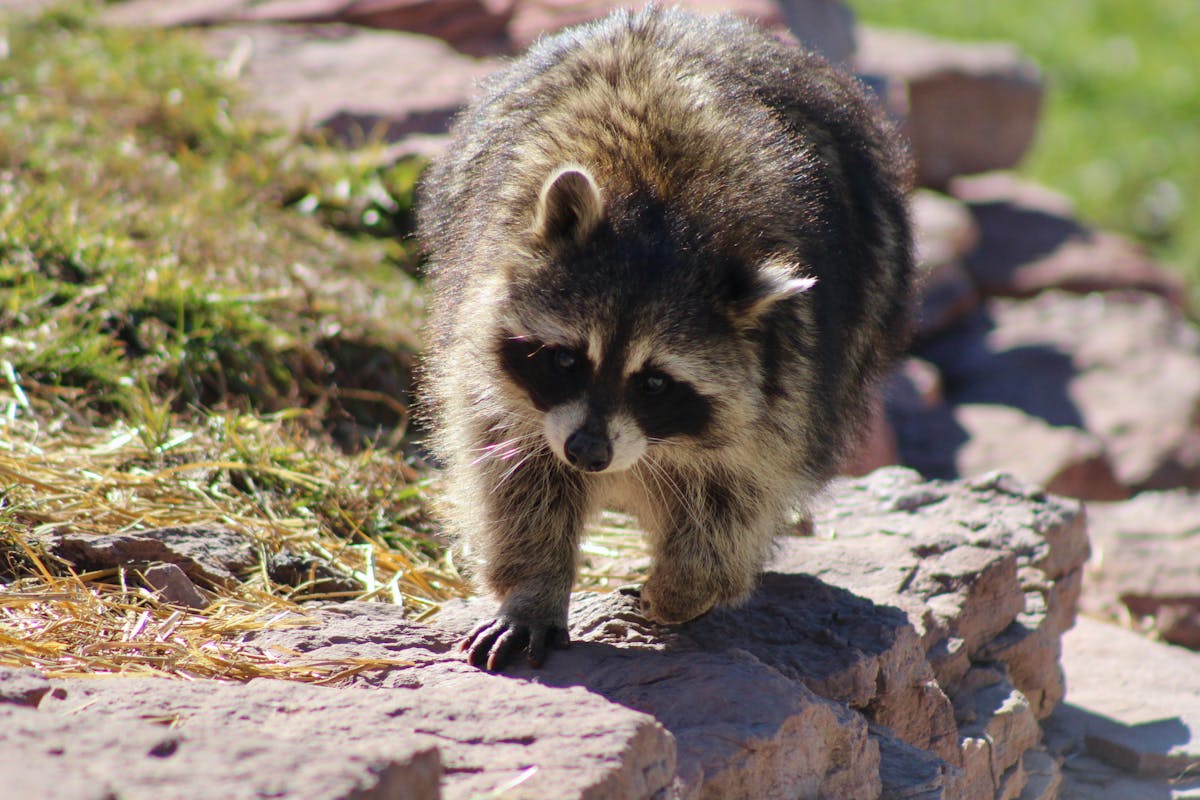
Raccoon populations are robust throughout Wayne County, and lakeside properties along Lake Wallenpaupack face particular pressure. Raccoons are omnivorous opportunists that thrive at the interface of woodland and water — an interface that describes essentially every shoreline property on the lake.
Lakefront homes in Hawley and Lakeville attract raccoons through multiple mechanisms: unsecured garbage and compost, accessible crawl space entries, boat dock areas with stored food and gear, and the lakefront trees that provide elevated access to rooflines. A raccoon female seeking a safe, warm denning site in late February or early March — when she is preparing to give birth to spring kits — will evaluate the rooflines of waterfront homes as readily as she evaluates hollow trees.
Raccoon entry points on Wayne County properties. The most consistent entry points our team finds on Wayne County waterfront homes: deteriorated soffit panels along the roofline (especially at shed dormers and eave returns where ice damming causes repeated freeze-thaw damage), uncapped chimney flues, roof deck gaps at the junction of attached porches and the main house, and gaps at gable vents on older structures. Shoreline properties also often have crawl space entries at grade level near the lakeside foundation that raccoons access from the ground.
Once a raccoon establishes herself in an attic space, the damage timeline is rapid. Attic insulation is compressed or torn out for nesting. Ductwork is damaged. HVAC wiring is gnawed. And raccoon roundworm (Baylisascaris procyonis) eggs accumulate in the latrine area — a serious and persistent health hazard that requires professional remediation, not just animal removal.
Timing matters. Wayne County raccoon removal and exclusion must account for the spring maternity period. Performing one-way exclusion before kits are mobile traps flightless young inside the structure, creating a significant secondary problem. In practice, this means removal of adults (where accessible) in late winter before birth, or exclusion performed after kits are mobile — typically by late June or July.
Squirrels in Wayne County Attics and Walls
Gray squirrels and northern flying squirrels are both prevalent in Wayne County's hardwood forest landscape. Both species establish themselves in attic spaces; gray squirrels do so during daylight hours and tend toward fall establishment, while flying squirrels are nocturnal and are frequently heard scratching in walls and ceilings at night — a pattern often initially mistaken for mice.
The distinction matters for treatment. Flying squirrel colonies can be large — groups of 10 to 20 individuals are not unusual in Wayne County attics during winter months when they aggregate for warmth. Trapping and exclusion for flying squirrels requires patience and thorough roofline exclusion, as these animals fit through openings as small as 1.25 inches.
Squirrel damage in Wayne County homes includes gnawed wiring (a documented fire risk), damaged roof deck boards at entry points, and the introduction of mites, fleas, and ticks from nesting materials into the living space. The agricultural and forest edge character of rural Wayne County sustains very high squirrel densities — which translates to persistent reinfestation pressure unless exclusion is comprehensive.
Bats: Protected, Common, and Manageable
Wayne County's forests support robust bat populations. Little brown bats (Myotis lucifugus) and big brown bats (Eptesicus fuscus) are the two species most commonly found roosting in Wayne County structures. Both species are fully protected under Pennsylvania and federal wildlife law — they cannot be killed, trapped, or removed from the roost directly, and exclusion cannot be performed during the maternity season of June 1 through August 15.
This legal framework means bat management in Wayne County requires careful timing and professional execution. The ideal exclusion window is late August through mid-October — after pups are flight-capable and before bats have entered deep torpor for the winter. Exclusion performed in this window installs one-way exit devices over all identified entry points, allows the colony to depart for overwintering habitat, and then permanently seals all entry points.
Lake Wallenpaupack shoreline properties and the older farmhouses of Honesdale and Hawley are among the most common bat structure hosts we work with in Wayne County. Shoreline properties tend to have bat access through gaps in roof assemblies associated with ice damming and freeze-thaw cycles. Older farmhouses have the accumulated gap openings of decades of settling and deferred maintenance.
Groundhogs and Skunks: The Under-Structure Invaders
Beyond the attic wildlife species, Wayne County homeowners contend with groundhogs and striped skunks establishing dens in crawl spaces, under concrete porches, and beneath outbuildings. Groundhog burrows under foundations undermine footings and create water infiltration pathways. Skunks denning under structures create persistent odor problems and pose spray risk to pets.
Live-trapping and relocation of groundhogs, combined with burrow filling and exclusion of the entry point, resolves the immediate problem. Foundation-level screening with heavy-gauge hardware cloth — extended several inches into the soil to prevent re-excavation — prevents re-establishment.
The Wayne County HOA and Second Home Context
Many Wayne County properties are within private communities with HOA oversight — Hamlin Heights, Gravity Hill Estates, Lake Region Estates, and communities along the Lake Wallenpaupack shoreline. Wildlife management in these settings benefits from a community-wide approach: raccoon populations habituated to unsecured garbage in common areas will continue to pressure individual homes regardless of individual-level exclusion.
We work with Wayne County HOA boards and property management companies to develop community-level wildlife management programs that address both wildlife attractants in common areas and individual property exclusion needs.
Call (570) 630-8857 for a free wildlife inspection anywhere in Wayne County. From Hawley and Honesdale to Lake Wallenpaupack shoreline properties and rural farms in the county's agricultural valleys, Poconos Pest Control provides humane, effective wildlife control and exclusion services.