Tick Prevention for Pocono Properties: Deer Ticks, Lyme Disease, and Property Treatment in PA
Pennsylvania has one of the highest Lyme disease rates in the United States, and Pocono Mountain properties face intense deer tick pressure. Here's how to protect your family and treat your property.
Tick Prevention for Pocono Properties
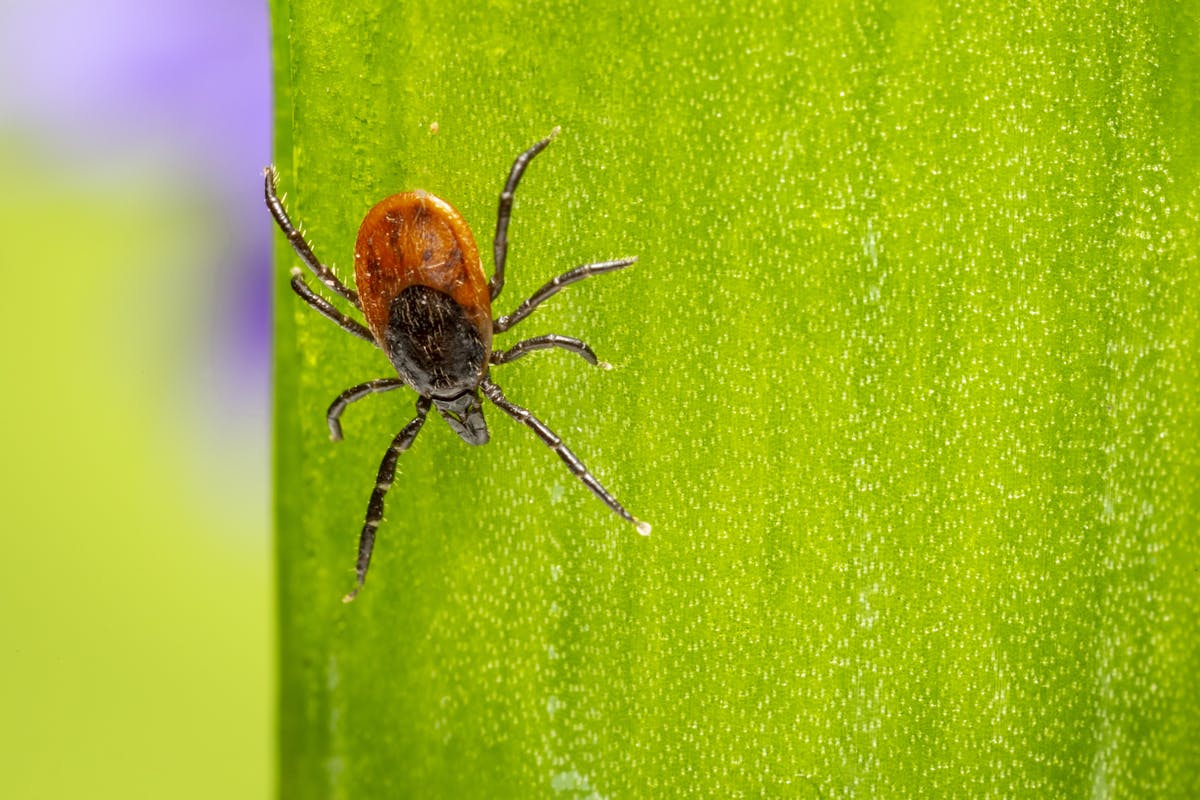
Pennsylvania consistently ranks among the top three states in the nation for reported Lyme disease cases. The Pocono Mountains — with dense hardwood forest, abundant deer populations, high humidity, and thousands of residential properties bordering woodland — represent one of the highest tick exposure environments in the state. If your property has a forest edge, a woodpile, ornamental vegetation in the yard, or wildlife traffic, deer ticks (Ixodes scapularis) are almost certainly present through much of the year.
Lyme disease is not the only tick-borne illness present in Monroe, Pike, Wayne, and Carbon Counties. Anaplasmosis, babesiosis, and Powassan virus — a rare but severe neurological disease — are all transmitted by the same deer tick species. The integrated approach to tick prevention around your property is not optional wellness advice; it is a meaningful health protection decision.
The Tick Landscape in the Pocono Mountains
Deer tick biology in PA. The black-legged tick (also called the deer tick) has a three-year lifecycle with four life stages: egg, larva, nymph, and adult. The nymph stage — occurring in May through July — is responsible for the majority of human Lyme disease transmission. Nymphs are the size of a poppy seed, making them extremely difficult to detect on the body, and they are active during peak outdoor recreation season.
Adult ticks are most active in October and November, and again in March and April during warm spells. Unlike many insects, deer ticks remain active and host-seeking whenever temperatures exceed 35°F — meaning tick exposure in the Pocono Mountains is a year-round concern, not just a summer one.
Questing behavior. Ticks do not jump or fly. They quest — climbing to the tips of grasses, shrubs, and leaf litter with their front legs extended, waiting to latch onto a passing host. The highest-risk questing zone is the transition between maintained lawn and unmaintained forest edge or leaf litter accumulation. A maintained lawn with no leaf litter has relatively low tick density; the first three feet of leaf litter at the lawn's edge is the highest-density tick zone on most Pocono properties.
Deer movement. White-tailed deer are the primary reproductive host for adult deer ticks. Every deer that crosses your property may deposit dozens of ticks in the grass and vegetation. Properties that experience regular deer traffic — nearly every Pocono Mountain property with natural vegetation — are continuously reseeded with ticks.
Identifying High-Risk Zones on Your Property
Lawn-to-woodland transition. The edge where maintained grass meets unmaintained vegetation, leaf litter, or forest is the highest-risk zone. Most tick encounters occur within the first few feet of this transition.
Woodpiles. Stacked firewood and brush piles near the home provide habitat for small mammals — white-footed mice, chipmunks, and voles — which are the primary hosts for larval and nymph deer ticks. These rodent populations carry the Borrelia bacteria that causes Lyme disease, and ticks that feed on them become infected and capable of transmitting Lyme to subsequent hosts, including humans.
Ornamental plantings near the foundation. Dense plantings of ornamental shrubs, pachysandra ground covers, and other vegetation immediately adjacent to the house create tick habitat right at your entry points. Deer browsing on foundation plantings deposits ticks directly at your doorstep.
Leaf litter accumulation. Unraked leaf litter provides temperature stability, humidity, and cover that supports high tick density. Annual leaf cleanup — particularly in areas adjacent to outdoor living spaces — is one of the highest-impact single actions for reducing tick density.
Property Treatment for Tick Management
Professional tick treatment focuses on two strategies: killing ticks present in vegetation through residual insecticide application, and modifying the habitat to make the property less hospitable to ticks and the small mammals that carry them.
Barrier spray treatment. Residual insecticide applied to the vegetation in the lawn-to-woodland transition zone, ornamental plantings, and leaf litter areas significantly reduces tick populations in treated areas. Spring treatment (April to May) targets nymphs emerging during their peak activity season. A second application in September to October targets adult ticks before they reach peak fall activity. For high-use properties, a third mid-summer application provides additional coverage.
Tick tubes. Permethrin-treated cotton stuffed into biodegradable cardboard tubes placed near woodpiles and along stone walls is collected by white-footed mice for nesting material. The permethrin kills ticks on the mice — eliminating the primary Lyme disease reservoir in the local tick population. Tick tubes are most effective when deployed before tick larvae emerge in summer.
Habitat modification. Clear leaf litter from beneath decks and around the foundation. Install wood chip or gravel barriers three feet wide between the lawn and woodland edge. Move woodpiles away from the house. Manage deer attractants like fruit trees and dense ornamental plantings close to outdoor living areas.
Personal Protection on Pocono Hiking Properties
For properties adjacent to trails or in active use for outdoor recreation, personal tick protection remains essential alongside property treatment. Permethrin-treated clothing, EPA-registered repellents applied to skin, daily tick checks (particularly in the groin, armpits, behind knees, and hairline), and prompt correct removal of attached ticks within 36 hours are the most effective personal prevention measures.
Call (570) 630-8857 for a free tick inspection and treatment consultation. Poconos Pest Control offers tick management programs for residential and vacation properties throughout Monroe, Pike, Wayne, and Carbon Counties. Clear to re-enter the same day of treatment — protect your family this tick season.