Stink Bug Prevention for Pocono Mountain Homes in Fall: Sealing Against the BMSB Invasion Near Tannersville and Cresco
Brown marmorated stink bugs invade Pennsylvania homes by the hundreds every fall. In mountain communities like Tannersville, Cresco, and across the Pocono ridgeline, the invasion arrives early and hits hard. Here's how to seal your home before it starts.
Stink Bug Prevention for Pocono Mountain Homes in Fall
In late September, the rhythm of the Pocono Mountains shifts. The ridgeline maples above Tannersville start turning. The mornings drop below 50°F. And on the south-facing walls of vacation homes, full-time residences, and commercial properties across Monroe County's mountain townships, brown marmorated stink bugs begin congregating by the dozens, then the hundreds, drawn by the sun-warmed siding and the approaching need to find a winter shelter.
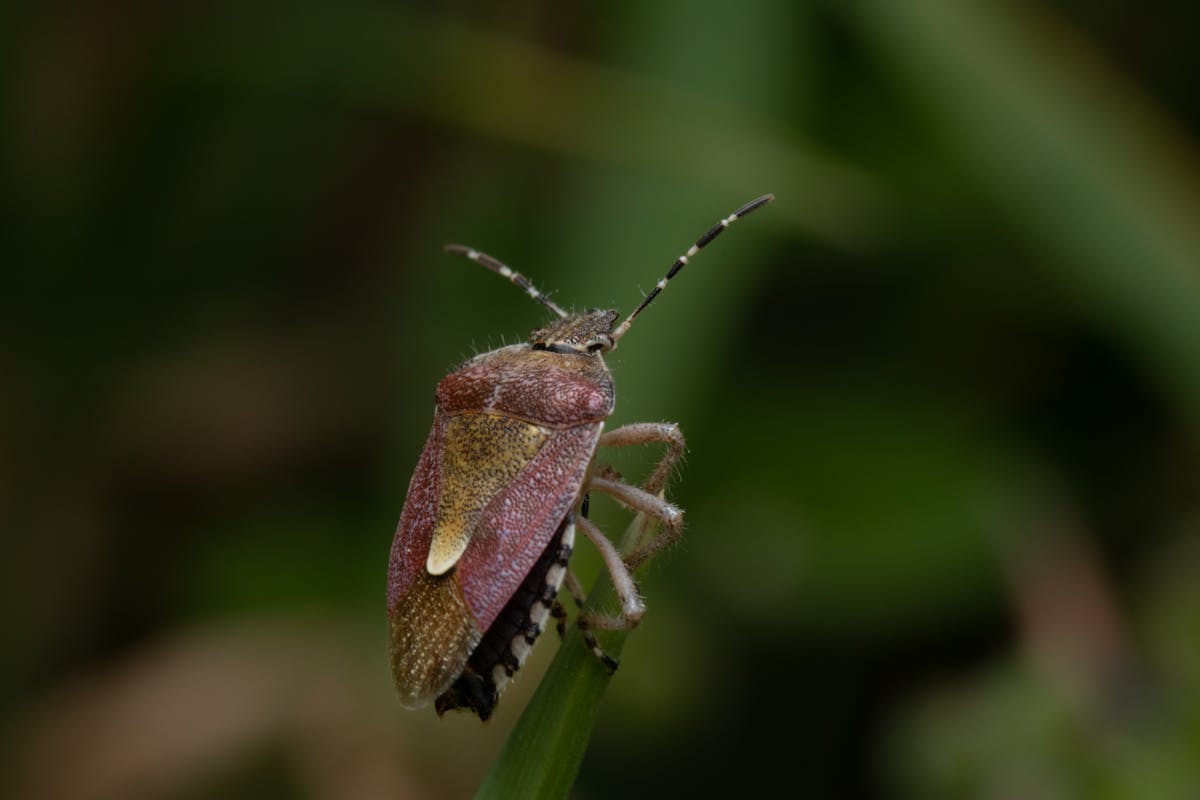
The brown marmorated stink bug (Halyomorpha halys) is an invasive species from eastern Asia first established in Pennsylvania in the late 1990s. It has since spread across the eastern United States and become one of the most significant nuisance pests in the region. In the Pocono Mountains — with their abundance of forest-edge habitat, agricultural and ornamental plants that serve as stink bug summer hosts, and the steep terrain that concentrates afternoon sun on south- and west-facing walls — the fall invasion is more intense and earlier-arriving than in lower-elevation areas of the state.
Tannersville and Cresco, located on the Monroe County plateau above 1,500 feet elevation, see fall temperature drops earlier than the valley communities below. This earlier cooling drives earlier aggregation behavior and earlier structural entry. Homeowners in these communities who wait until October to address stink bug prevention have often already lost the window.
Why Mountain Terrain Intensifies the Problem
Elevation and early cooling. The high plateau of Monroe County above Stroudsburg — the territory encompassing Tannersville, Cresco, Pocono Summit, and Tobyhanna — experiences first frost two to three weeks earlier than the valley floor. Stink bugs respond to cooling temperatures with urgency. The same bugs that might still be on host plants in Stroudsburg in mid-October have already aggregated and sought entry points on plateau properties.
South wall sun exposure. The Pocono plateau's ridgeline orientation means south-facing home walls receive intense afternoon sun throughout September and October. Stink bugs thermoregulate by basking on warm surfaces before seeking overwintering sites. A south-facing log cabin wall at 3 PM on a sunny October day in Tannersville can be significantly warmer than the surrounding air, concentrating hundreds of bugs on that surface in a single afternoon.
Forest-edge host plants. Stink bugs feed on a wide variety of plant hosts through summer — fruit trees, ornamentals, soybeans, tomatoes, peppers, and many tree species. The forested lot lines, mixed ornamental plantings, and wildland-garden interfaces common throughout Pocono Mountain residential properties provide abundant summer host material, sustaining large local stink bug populations that are then seeking overwinter sites on your property in the fall.
Vacation home vacancy. Properties unoccupied during September and October offer no human deterrence to stink bug invasion. A cabin with no one home during the peak invasion period accumulates an overwintering population in wall voids and attic spaces that will emerge into living spaces in spring.
The August-September Treatment Window
Effective stink bug prevention treatment is a timing-dependent intervention. The target window is late August through mid-September — before bugs begin congregating on walls in large numbers and before the invasion push into the structure begins.
Professional exterior barrier treatment during this window applies a residual insecticide to south- and west-facing wall surfaces, window and door frame perimeters, soffits, and any other surfaces where bugs aggregate before entry. Products used for exterior barrier treatment provide four to eight weeks of residual activity on treated surfaces — covering the peak invasion period from late September through October.
The biology is straightforward: a stink bug that contacts the treated surface absorbs a lethal dose before it can find an entry gap. The barrier dramatically reduces the number of individuals that successfully overwinter inside the structure without requiring perfect physical exclusion of every gap.
If your property is not treated by mid-September, treatment still provides value through October but must be understood as damage control rather than prevention — some population will already be established inside.
Physical Exclusion: The Permanent Solution
Barrier treatment is seasonal. Physical exclusion — sealing the actual entry points stink bugs use — is permanent and cumulative. Every gap sealed in fall 2024 is still sealed in fall 2025.
Window and door frame caulking. The gap between window and door frames and the exterior wall sheathing is the single most consistent stink bug entry point on Pocono Mountain homes. In log homes, the gap between log courses at window openings is also a significant entry point. Use a paintable silicone caulk rated for the temperature range and inspect this caulking annually — it degrades in UV exposure and needs reapplication every few years.
Attic vent screening. Standard louvered attic vents have openings that easily admit stink bugs. Retrofitting the interior face of attic vents with 20-mesh fiberglass or aluminum screen — stapled over the vent opening — blocks stink bugs and cluster flies from accessing attic spaces without affecting ventilation function.
Soffit panel gaps. Vinyl or aluminum soffit panels that have separated, warped, or have open J-channel at the ends provide easy access to the attic space. Walk the roofline perimeter looking for daylight visible through gaps, and seal with appropriate materials.
Utility entry gaps. Electrical service entries, cable TV conduit, and phone line entries through the exterior wall — particularly older entries with original caulk from decades past — often have gaps sufficient for stink bug entry. Re-caulk all utility penetrations as part of fall exclusion work.
Managing an Existing Interior Population
If stink bugs are already in your walls and attic, the practical approach changes. Aerosol foggers are ineffective against bugs sequestered in wall cavities. Light traps placed near windows in early spring catch adults as they emerge seeking exit. A shop vacuum with a diluted dish soap solution in the collection canister captures adults without triggering the odor release that mechanical crushing causes.
For properties with large established populations in attic spaces — common in plateau-area vacation homes left unprotected through multiple fall invasion seasons — a professional attic treatment with residual dust product and follow-up exclusion work provides more lasting population reduction.
Call (570) 630-8857 for a fall prevention treatment and exclusion inspection. We serve Tannersville, Cresco, Pocono Summit, Tobyhanna, and all of Monroe, Pike, Wayne, and Carbon Counties. Schedule your August or September treatment now before the invasion begins — the window is shorter at elevation than you might expect.