The Stink Bug Invasion: Why Pocono Mountain Vacation Homes Are Prime Targets
Brown marmorated stink bugs invade Pocono Mountain homes by the hundreds every fall. Mountain terrain, forest edge habitat, and seasonal vacancies make this a uniquely severe problem in PA.
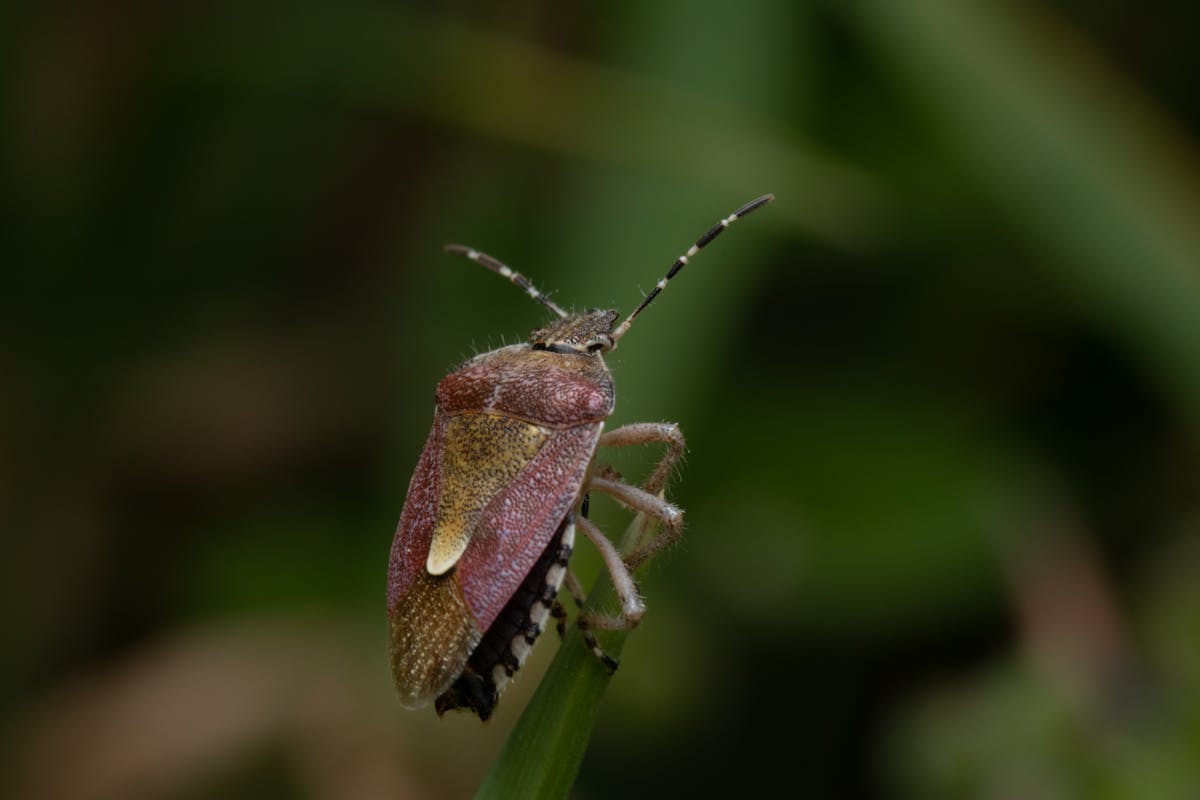
The Stink Bug Invasion in the Pocono Mountains
Late September in the Pocono Mountains brings two reliable events: the leaves begin turning on the ridges above Stroudsburg and Tannersville, and brown marmorated stink bugs begin congregating on every sun-warmed surface of your home. By early October, they are squeezing through gaps in window frames, crawling beneath siding, and finding their way into attics and wall voids by the hundreds. By November, most of them are settled in for the winter — hidden, dormant, and waiting for spring.
For Pocono Mountain vacation homeowners, this is particularly frustrating. A home left unprotected through September occupies a position on the stink bug invasion frontline: adjacent to forest edge habitat, warmed by mountain sun on south-facing walls, and unmanned through the peak invasion period. When owners or guests arrive in spring, the bugs wake up and emerge into living spaces — sometimes in startling numbers.
Why Pocono Properties Face Elevated Stink Bug Pressure
Forest edge biology. Brown marmorated stink bugs (Halyomorpha halys) are agricultural and woodland edge pests. The forested lot lines, mixed vegetation, and orchard and garden plants common throughout Monroe and Pike County residential properties are exactly the host plants stink bugs feed on through summer. The population on your property all summer doesn't disappear in fall — it moves into your structure.
Ridgeline sun exposure. Stink bugs aggregate on warm surfaces to thermoregulate before seeking overwintering sites. South-facing and west-facing walls in mountain terrain receive intense afternoon sun. Homes on Pocono ridgelines near Blakeslee and Pocono Summit can accumulate thousands of bugs on exterior walls on warm October days before they push inside.
Older and log construction. Vacation cabins built with log siding, board-and-batten construction, or older wood-frame methods have more natural gaps and checking than modern tightly-sealed construction. Stink bugs can enter through gaps as small as 1/8 inch, and this type of construction provides abundant entry opportunities.
Seasonal vacancy during peak invasion. The stink bug invasion peaks in October, coinciding with the period many vacation homeowners reduce their visit frequency before closing for the season. An unoccupied home during the invasion peak has no one to spot and seal entry points, and no one to prevent bugs from establishing a massive overwintering presence inside wall voids and attic spaces.
Understanding Stink Bug Behavior Seasonally
Stink bugs are not breeding or feeding inside your home — they are simply overwintering. They do not reproduce indoors, do not damage the structure, and do not contaminate food. Their impact is purely a nuisance one: the numbers, the odor when disturbed or crushed, and the months-long emergence process in spring as they warm up and begin moving toward light.
The spring emergence is what generates the most complaint calls. As temperatures rise in March and April, dormant bugs in wall voids warm up and begin moving. Many find their way back outside through the same gaps they entered. Others move inward toward living spaces, attracted by interior light and warmth. Finding 20 or 30 stink bugs on your kitchen ceiling in April is not an unusual report from Monroe County homeowners — it is simply the spring side of the fall invasion.
Prevention: August and September Are the Critical Window
Exterior barrier treatment applied to south- and west-facing wall surfaces, window frames, door frames, and soffits in late August or early September significantly reduces the number of bugs that successfully enter the structure. Residual insecticide products labeled for stink bug use create a deterrent zone for four to eight weeks — covering the peak invasion period. Timing this treatment correctly is more important than the specific product used.
Beyond treatment, physical exclusion is the most permanent solution. Caulking gaps around window and door frames with paintable silicone, replacing damaged window screens, installing door sweeps on all exterior doors, and covering attic vents with fine-mesh screen (20-mesh or finer) eliminates the physical entry points stink bugs exploit. This work pays dividends for multiple seasons.
Managing an Existing Interior Population
If stink bugs are already inside your structure — in wall voids, in the attic, or emerging into living spaces — treatment options become more limited. Interior foggers and "bug bombs" are ineffective against bugs sequestered in wall cavities. The most practical approach is vacuuming adults that emerge into living spaces, sealing the gaps they use to access interior spaces from wall voids, and treating attic spaces with residual dust products if populations are high.
For vacation homeowners returning to a property with a significant overwintering population, a professional inspection before your spring opening season identifies the severity and recommends the most efficient management strategy.
Call (570) 630-8857 for a free inspection. Poconos Pest Control serves Monroe, Pike, Wayne, and Carbon Counties. We offer fall stink bug prevention treatments and spring population management for vacation homes, primary residences, and short-term rental properties throughout the Pocono Mountains.