Mosquito Control for Pocono Lake Communities: Pocono Lake, Buck Hill Falls, and Promised Land
The lake and pond communities of Monroe County — Pocono Lake, Buck Hill Falls, and Promised Land State Park area — face intense mosquito pressure from May through September. Here's how residents and property owners can reduce mosquito populations and enjoy outdoor living.
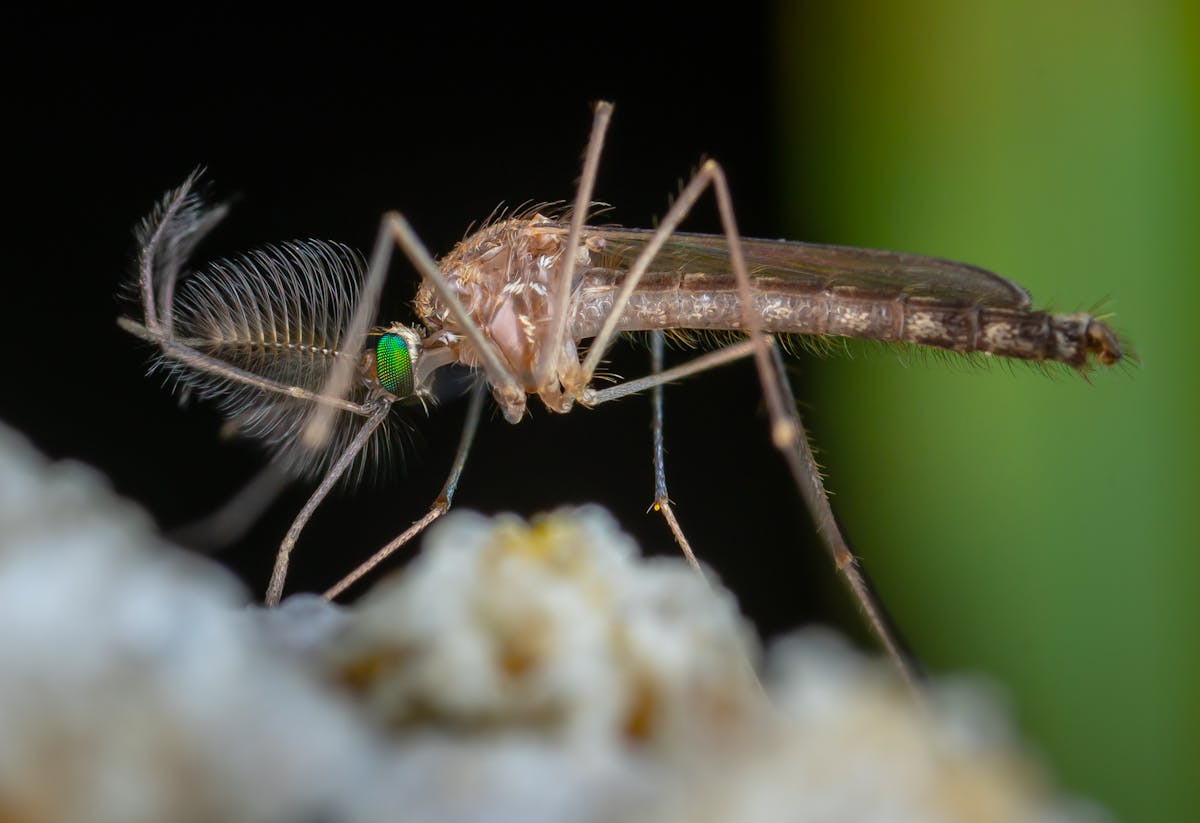
Mosquito Control for Pocono Lake Communities
The communities clustered across the Monroe County plateau — Pocono Lake, Buck Hill Falls, Cresco, Swiftwater, and the residential areas bordering Promised Land State Park — share a common landscape: elevation above 1,500 feet, dense northern hardwood forest, numerous natural and constructed water features, and seasonal populations that peak in summer just as mosquito activity reaches its height.
For residents and vacation homeowners in these communities, mosquito management is not a secondary concern — it is a central quality-of-life issue that determines whether the lake deck, the fire pit, and the garden are usable through the core summer months. The outdoor lifestyle that draws families to these communities is exactly the lifestyle that brings them into sustained contact with some of Pennsylvania's most active mosquito environments.
Poconos Pest Control serves Monroe County's plateau communities with mosquito management programs designed for the specific ecological and seasonal context of high-elevation lake living. Understanding why these areas face disproportionate mosquito pressure — and what management strategies actually work in forested, water-rich terrain — is the foundation of effective control.
Why Pocono Lake and Buck Hill Falls Face Elevated Mosquito Pressure
Natural water features. Pocono Lake is a natural glacial lake surrounded by wetland margins and seasonal pools that provide ideal mosquito larval habitat. The shoreline vegetation zone — emergent plants, cattails, and overhanging shrub species — creates shaded, slow-draining water conditions that sustain mosquito larvae through extended production cycles. Properties adjacent to any natural water feature in this landscape have proximity to essentially unlimited larval habitat.
Promised Land State Park adjacency. The communities surrounding Promised Land State Park — Greentown, Swiftwater, and eastern Monroe County lake communities — border thousands of acres of managed public land containing multiple natural lakes, beaver ponds, and wetland areas. These park-interior water features sustain large mosquito populations that disperse into adjacent residential areas. Managing mosquito pressure in these communities requires accepting that significant adjacent population sources cannot be treated.
Buck Hill Falls architecture and vegetation. Buck Hill Falls, the historic arts community and residential area near Cresco, features dense ornamental plantings, stone terraces, shaded gardens, and the architectural complexity of a multi-building historic campus. Shaded micro-habitats — the moss-covered stone walls, the dense foundation plantings, the sheltered garden areas — create ideal adult mosquito resting habitat adjacent to outdoor living spaces. Adult mosquitoes that rest in dense vegetation by day become active feeders at dusk and dawn.
Forest canopy and temperature management. The dense forest canopy at elevation in Monroe County moderates summer temperatures significantly — cooler, shaded conditions extend the period of standing water and maintain the humidity that allows mosquito larvae to develop successfully. Urban mosquito management often benefits from the direct sun that dries temporary pools quickly; in these forested communities, that drying process is much slower.
Mosquito Species and Biting Patterns in Monroe County
The primary mosquito species creating nuisance and health concerns in Monroe County plateau communities are Aedes vexans (the inland floodwater mosquito), Culex pipiens (the common house mosquito), and Aedes canadensis (the woodland pool mosquito).
Aedes vexans produces very large populations following heavy rain events when temporary pools form in low areas. These populations peak 7 to 14 days after significant rainfall — the larval development period — and create waves of biting pressure that track wet weather. The spring wet season in April and May and late-summer rain events in August are the most significant Aedes vexans triggers in Monroe County.
Culex pipiens breeds in standing water with organic content — storm drains, birdbaths, containers, and neglected artificial water features. It is the primary vector for West Nile virus in Pennsylvania and is responsible for the late-season biting pressure in August and September when Aedes species have declined.
Aedes canadensis breeds in woodland pools and shaded forest floor depressions — exactly the forested landscape surrounding Pocono Lake and Promised Land. This species is a significant day-biting mosquito that makes outdoor recreation in forested areas uncomfortable during its peak periods.
Eliminating Breeding Sites on Your Property
The foundational mosquito management step — and the one with the most direct impact on local populations — is eliminating standing water on the property. This is more complex in the Pocono Lake and Buck Hill Falls context than in a typical suburban yard because the standing water sources are more numerous and less obvious.
Walk the property after a rain event. Every depression that holds water for more than three days is a potential breeding site. Common sources on Monroe County plateau properties: the low corners of tarps covering boats or outdoor furniture, decorative stone features that collect water, clogged gutters (a massive and often overlooked source), low spots in driveway gravel, pet water bowls not changed daily, the inside of forgotten tire swings, and the saucers under potted plants on decks.
Addressing these small-scale sources does not eliminate mosquito pressure from adjacent natural water features, but it meaningfully reduces the breeding population within the property boundary — and reduces the biting pressure closest to the home and outdoor living spaces.
BTi Larvicide for Pond and Wetland Edges
For property owners with ponds, decorative water features, or shoreline access to Pocono Lake, larvicide treatment with Bacillus thuringiensis israelensis (BTi) provides effective, environmentally responsible control of mosquito larvae. BTi is a naturally occurring soil bacterium that produces proteins specifically toxic to mosquito and black fly larvae. It has an outstanding safety profile for fish, amphibians, birds, and mammals.
Applied as granules, dunks, or liquid to standing water, BTi kills larvae before they emerge as adults. On organic-rich pond margins and decorative water features, BTi treatment every 30 days through the season maintains effective larval suppression. For larger properties with multiple water features, a professional larvicide program on a scheduled service visit basis ensures consistent application timing.
Barrier Spray Treatment for Outdoor Living Areas
For immediate reduction of adult mosquito populations near outdoor living spaces — the deck at Pocono Lake, the garden at Buck Hill Falls, the fire pit area at a Promised Land-adjacent cabin — barrier spray treatment applies a residual insecticide to the vegetation where adult mosquitoes rest during the day. The undersides of leaves, shrub interiors, and tree line edges adjacent to the yard are the primary target areas.
Effective residual products provide four to six weeks of activity, making a treatment schedule of every four to six weeks through the season practical for managing adult populations. For vacation homeowners who visit primarily on weekends, a treatment timed two to three days before expected arrival provides noticeably reduced biting pressure during the visit.
The natural reservation many homeowners in Promised Land-area communities have about pesticide use near wetlands and sensitive areas is valid. Our technicians use products with established safety profiles for aquatic environments, apply only to upland vegetation areas away from water edges, and can advise on non-chemical options for sensitive areas. Effective mosquito management and environmental responsibility are compatible goals.
Community-Level Programs for Monroe County Lake Communities
Individual property treatment in densely settled lake communities like Pocono Lake produces better results when coordinated across multiple adjacent properties. A single treated property surrounded by untreated neighbors with standing water experiences ongoing pressure from the adjacent breeding sources.
We work with Monroe County lake community HOAs, property management companies, and informal neighborhood groups to develop coordinated larvicide and barrier treatment programs that achieve the population reductions individual-property programs cannot match. If you are involved in a community association along Pocono Lake or in the Buck Hill Falls community, contact us to discuss a community-level program.
Call (570) 630-8857 for a free consultation. Poconos Pest Control serves the Monroe County plateau communities — Pocono Lake, Buck Hill Falls, Cresco, Swiftwater, and all Promised Land-area properties — with professional mosquito management programs. Enjoy your summer outdoors — let us handle the mosquitoes.